
Twice a month we help a client talk down a panic call that started with the same sentence: "I paid a deposit and now the supplier has gone quiet." In almost every case, the buyer never once verified who was actually behind the offer. Flying out to inspect a factory is not realistic for most people buying a CNC machine or a production line, and asking a supplier to send you a video of their own workshop is asking the fox to film the henhouse. There is a middle path. Here is what we actually check — and what we tell our clients to check — before their money crosses borders.
First, decide what kind of audit you need
Not every order earns a full audit, and acting like it does is how you waste a week. Sort your order by risk before you spend anyone's time. A repeat order of components you have already run successfully needs a light check — current business licence, a live call, confirm the same line is still running. A first machinery order worth more than a few thousand dollars is different: that is where you spend the effort, because the downside of betting wrong is not just a lost deposit, it is weeks of lost production time while you chase a refund that never comes.
For big-ticket machinery we put suppliers into three buckets. Tier one: you have visited, or a trusted agent has visited, and the plant demonstrably builds the equipment it quotes. Tier two: verified remotely with documents, live video and third-party checks — the bulk of first orders land here. Tier three: anything where the supplier resists basic verification; that bucket gets no deposit from us, full stop. The point of an audit is not to confirm a supplier is pleasant on email. It is to give you enough evidence to move the deposit with your eyes open, or enough reason to walk away cheaply now instead of expensively later.
What documents actually prove
Every trading company in China can email you a business licence photo in under a minute, so treat documents as a first filter, not a verdict. Run the name through China's national credit system and a local search — you are looking for how long the company has existed, whether the registered address matches where they claim to build, and any red flags like rapid ownership changes or heavy litigation. Then ask for the licence of the manufacturing entity, not the sales shell. It is astonishing how common it is for a quote to come from a trading company whose name looks like a factory but which has no plant at all.
Beyond the licence, three documents separate the genuine builder from the broker with good email hygiene. Ask for export records from the past two years — port data or shipping lists give you real customers to reference. Ask for their CE and ISO certificates and then spot-check the certificate numbers against the issuing body's register, because printed certificates are trivially easy to fake and many people never bother to verify. And ask for reference customers in your region who are willing to take a short call. A real manufacturer can produce all three without breaking a sweat. A trading front will stall, over-explain, or offer you "a few more photos" instead.
| Check | What it filters | How to do it remotely |
|---|---|---|
| Business licence & registered address | Trading companies posing as factories | Compare registered vs. claimed plant address |
| Export records / shipping history | New shells with no track record | Ask for 2 years of export docs, then verify a customer |
| CE / ISO certificates | Forged or recycled paperwork | Check numbers against the issuing body's register |
| Reference customers | No real installed base | Ask for buyers in your region, take a short call |
The live call: what to watch, not just ask
A scheduled video call where the supplier shows you a clean showroom tells you almost nothing. The useful version is unscripted and a little messy. Ask them to point the camera at the specific production line or the specific machine that will build — or is — your order, live, no cutaways. Watch whether they can walk you around without panicking or "fixing the connection." Ask them to show you the serial number plate on a finished unit and then read it out. Genuine builders know their own floor; sales fronts who rented a showroom for the day get very jumpy when you want to see the loading dock or the parts store.
Two timing details matter more than the content of the call. Do it at their normal working time, not at a slot they have clearly cleared the diary for. And if you can, do two calls on two different days without warning — consistency is the tell. A factory that runs the same machines, the same people and the same floor plan on Tuesday and Thursday is far harder to fake than a single polished presentation. We have caught more than one "factory" this way that turned out to be one warehouse shared by several trading companies rotating through the same borrowed equipment.
Third-party eyes when you cannot go
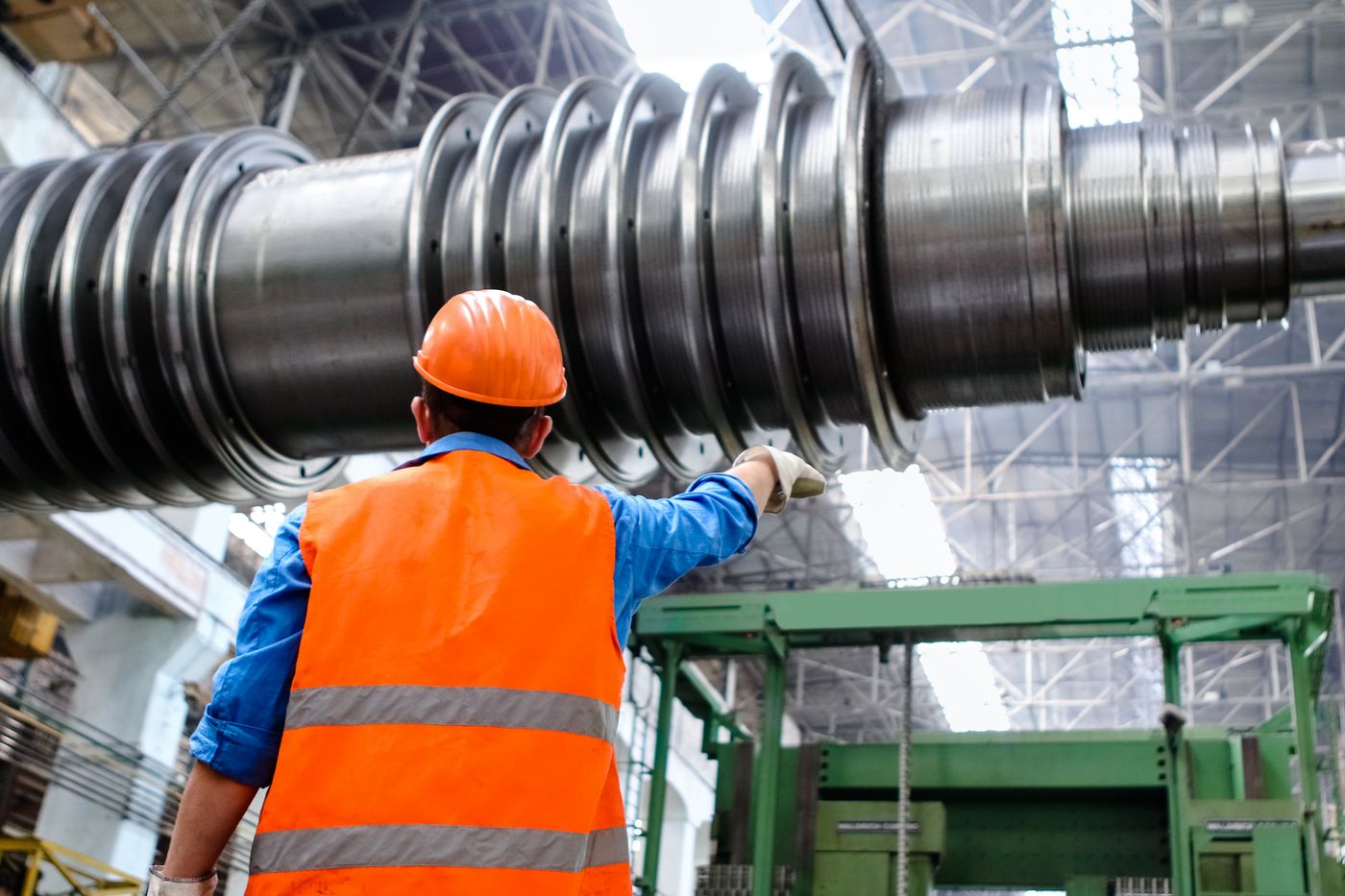
For the deposit sizes we are talking about, the cost of a professional inspection agency is rounding error. A mandated China inspection report or a reputable third-party audit service will physically walk the plant, photograph the equipment, and send you a written report within days, usually for a few hundred dollars depending on scope. On a machine order worth tens of thousands, that is the cheapest insurance you will ever buy, and it closes the single biggest gap in remote buying: some independent who is not on the supplier's payroll has actually been inside.
Tell the inspector exactly what to check, because generic reports miss the point. We specify: confirm the manufacturing entity matches the one you contracted, photograph the serial numbers of the machines that will make your order, verify headcount roughly matches the claims, and capture the general condition of the production floor. If you want to be ruthless, ask for a photo of the bin of finished parts or the current batch in progress. And whatever the report says, keep one golden rule in your head: pay against progress you can verify, not against promises. Staged payments tied to inspected milestones are the single most effective protection a remote buyer has, and it costs nothing extra.
The blunt version: No remote check replaces standing on the floor. But a licence cross-check, verified certificates, a couple of unscripted live calls, and a one-time inspection report will stop the overwhelming majority of bad deals before your deposit. The suppliers who pass all of that and still go wrong are rare enough that the money is reasonably placed. The ones who cannot pass it? That is your answer.
What a remote audit will never tell you
Say the audit comes back clean. You should still know its limits, because signing with clear eyes is half the game. A remote audit will not tell you whether the factory's quality control is disciplined on the night shift, or whether that eager young engineer you spoke to will still be there when your order finally ships. It will not tell you if the machine arrives in the crate exactly as configured, or whether the promised spare parts and manuals are actually in the box. Those are the risks you manage with the contract, the pre-shipment inspection before the container is sealed, and the payment schedule — not with a longer questionnaire.
Which is exactly why we keep the audit and the contract separate jobs. The audit tells you who you are dealing with. The contract — clear specs, inspection before loading, a payment schedule tied to verifiable milestones — tells you what happens when reality stops matching the brochure. Most first-time importers spend all their effort on the first and almost none on the second. The professionals who have done this for years treat them as one continuous piece of work: verify the factory rigorously, then write a contract that assumes good intent but does not depend on it.
And one more honest note from the export desk. Some buyers assume that because we are based in China, every supplier we recommend is automatically vetted. We do our homework, but you should do yours too — a supplier stable and honest enough for one order may not be right for a different one. Treat us as a partner who has already walked the floor for a lot of these categories, share your spec and your budget, and we will tell you honestly whether an order is best placed with us, run through one of our vetted partners, or — when your requirements genuinely point elsewhere — not our lane at all. That candour is worth more to you in the long run than a polite yes.