
We ship a lot of electronic assemblies and bare boards for OEM customers. Some buyers have been working with Chinese PCB fabricators for years and run into trouble only when they switch to a new supplier or push specifications tighter than before. Others are first-timers who assumed the quoting platform would catch their mistakes. It won't. Platforms optimize for order conversion, not design correctness. The checklist below is what we actually use before releasing any PCB purchase order. It has prevented scrap batches, missed shipments and at least one very uncomfortable conversation with an automotive tier-1 customer.
Start with complete fabrication files, not just Gerbers
A Gerber set alone is not enough. Fabricators need the drill file (Excellon format), the pick-and-place centroid file if you want assembly, the bill of materials with approved alternates, and a readme that states layer stack-up, impedance targets and any special requirements. Missing any of these forces the factory to guess or ask questions. Guesses lead to rework; questions add three to seven days to your timeline.
Run a design-rule check in your CAD tool before exporting. Set clearance, annular ring and trace width rules to match the manufacturer's published capability for the service level you're ordering. A standard prototype board typically supports 0.15 mm traces and spaces; HDI and flex boards have different limits. If your DRC passes against your target fab's spec sheet, you eliminate the majority of engineering queries. If it fails, fix it before uploading — paying USD 30–80 for an engineering review per revision adds up fast across ten prototypes.

Specify the material, finish and tolerance — explicitly
"FR-4" is a category, not a specification. FR-4 covers laminates ranging from Tg 130°C to Tg 180°C, with varying dielectric constants and loss tangents. For consumer electronics at low frequency, standard Tg 130 is fine and costs less. For power electronics, LED drivers or anything running above 80°C ambient, specify Tg ≥150 or the board will delaminate within warranty. High-frequency RF designs need Rogers or equivalent low-loss material; substituting FR-4 there changes impedance enough to detune filters.
Surface finish matters as much as laminate. HASL is cheap and fine for through-hole boards. ENIG gives flat pads for BGAs and fine-pitch QFNs but carries risk of black pad if the plating bath isn't controlled. OSP is economical for short shelf life. Immersion silver sits between ENIG and OSP on cost and performance. Name the finish in your spec; letting the factory choose defaults to whatever maximizes their throughput, which may not suit your assembly process.
| Finish | Best for | Shelf life | Typical cost delta vs HASL |
|---|---|---|---|
| HASL (lead-free) | Through-hole, large pitch | 12 months | Baseline |
| ENIG | BGA, QFN, wire bonding | 12 months | +15–25% |
| OSP | High-volume SMT, quick turn | 3–6 months | +5–10% |
| Immersion silver | Fine pitch, mid-cost option | 6–12 months | +10–18% |
| Hard gold | Edge connectors, contacts | 2+ years | +30–50% |
Define acceptance criteria before production starts
IPC-A-600 defines three classes of acceptability for bare boards. Class 1 is cosmetic-only, suitable for disposable consumer goods. Class 2 is default for most commercial products. Class 3 is required for medical, aerospace and automotive safety systems. State the class in your purchase order. Without it, factories quote and inspect to Class 2, and disputes arise when you reject boards for defects that Class 2 permits.
For assembled boards, IPC-A-610 applies. Specify class, inspection method (visual, AOI, X-ray for BGAs) and sampling rate. We require 100% AOI on all SMT runs and X-ray on any board with hidden joints. Visual-only inspection misses tombstones under chip components and insufficient fillets on QFN thermal pads. Paying USD 0.03–0.08 per board for AOI avoids field failures that cost orders of magnitude more.
Certification note: UL listing requires specific laminate grades and recognized fabricators. If your end product needs UL, confirm the factory holds current UL recognition for the exact material and construction you're specifying. Generic "we are UL certified" claims mean nothing without the file number and material cross-reference. Ask for both upfront.
Test strategy: don't assume flying probe covers everything
Flying probe testing verifies netlist connectivity. It does not verify impedance, high-frequency behavior or functional performance. For boards with controlled impedance traces, request TDR coupon testing and ask for the report. Coupons should be panel-level, not extracted from finished boards, so results represent actual production conditions.
For volumes above 500 pieces, consider building a functional test fixture. Fixture cost runs USD 800–3,000 depending on complexity, but it catches component placement errors, wrong values and firmware load issues that electrical test cannot. Amortized over a 5,000-piece run, that's USD 0.16–0.60 per unit — negligible compared to the cost of shipping defective assemblies overseas and paying return freight plus rework labor at destination.
Red flags during quotation
Some signals predict trouble before you spend money. A price significantly below market average usually means corner-cutting on material grade, plating thickness or testing. Turnaround promises shorter than the stated process time suggest either capacity padding or skipping steps. Refusal to share the fabrication drawing back for approval means they may proceed on assumptions. Vague answers about subcontracting — many brokers outsource without disclosure — mean you have no direct control over quality.
We also watch for communication patterns. Factories that push back on unrealistic specs are generally trustworthy; those that agree to everything often lack the engineering depth to identify problems early. A good partner asks uncomfortable questions before production. A bad one ships nonconforming product and argues afterward.
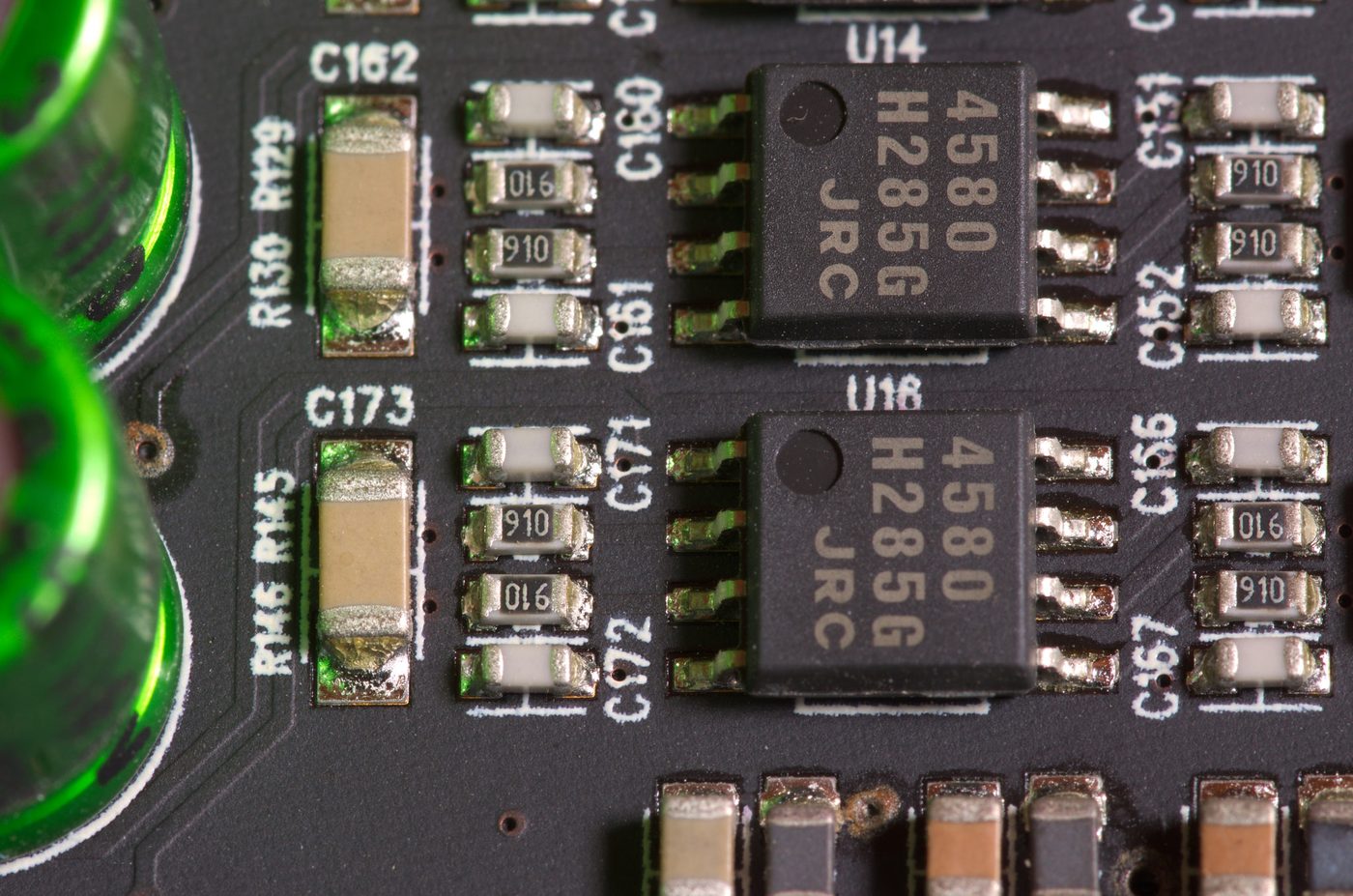
Packaging and logistics: small details, big consequences
Bare PCBs absorb moisture. Vacuum-sealed packaging with desiccant and humidity indicator cards is mandatory for boards stored longer than two weeks before assembly. Moisture-sensitive devices on assembled boards require MSL-rated bags and floor-life tracking. Skipping this causes popcorning during reflow — internal cracking that shows up as intermittent failures weeks later.
Shipping terms matter for PCBs because weight is low but value density is high. Air freight typically runs USD 4–8/kg for small parcels; sea freight drops below USD 1/kg but adds 25–35 days. For prototypes and initial samples, air pays for itself by compressing feedback cycles. For steady-state production, consolidate to weekly sea shipments and buffer inventory locally. Insurance costs roughly 0.3–0.5% of declared value; given PCB replacement lead times, always insure.
Sourcing PCBs from China is reliable when treated as an engineering procurement problem rather than a commodity purchase. The factories capable of consistent quality exist in large numbers. Finding them requires disciplined specification, explicit acceptance criteria and willingness to pay for testing. Skip those steps and you'll save on unit price while losing far more on rework, delays and reputation. Do them right and the economics work at nearly every volume.