
When a buyer tells us they want a 3D printer, the first question we ask is never budget — it's what do you plan to print every week? The answer decides the entire machine class, and the price difference between classes can be 50×. Getting the class wrong is the most expensive mistake in this market.
The four families at a glance
| Process | Best for | Typical machine price | Watch out for |
|---|---|---|---|
| FDM/FFF | Jigs, fixtures, functional prototypes, large parts | $2k–$60k | Surface finish; warping on big ABS parts |
| SLA/DLP resin | High-detail masters, dental, jewelry, smooth cosmetics parts | $3k–$80k | Resin handling; post-cure workflow |
| SLS nylon | Small-batch end-use parts, no supports, complex geometry | $40k–$250k | Powder management; heat, ventilation |
| Metal (LPBF) | Aerospace, medical implants, conformal cooling tooling | $150k+ | Powder safety, post-processing chain |
FDM: the workhorse everyone underestimates
FDM has a reputation as the "cheap hobby" technology, which is about fifteen years out of date. Modern industrial FDM — enclosed chambers, hardened nozzles, carbon-fiber nylon and PC-CF materials — produces jigs and fixtures that outlast aluminum ones at a third of the cost. For most factories starting out, a solid $3,000–8,000 FDM machine pays for itself inside a quarter just on fixture work.
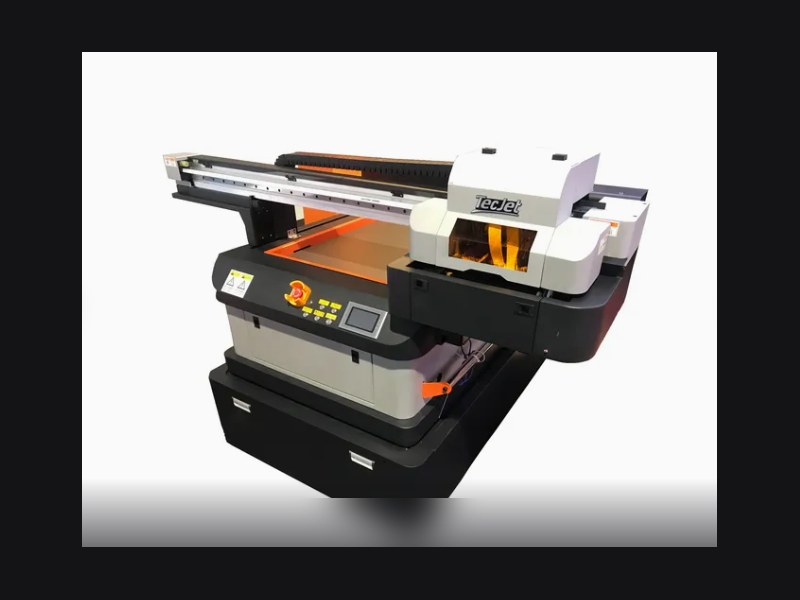
The one honest limitation: layer lines and anisotropic strength. If your part lives or dies by surface finish or sealed pressure, FDM is probably the wrong process.
Resin (SLA/DLP): detail is the product
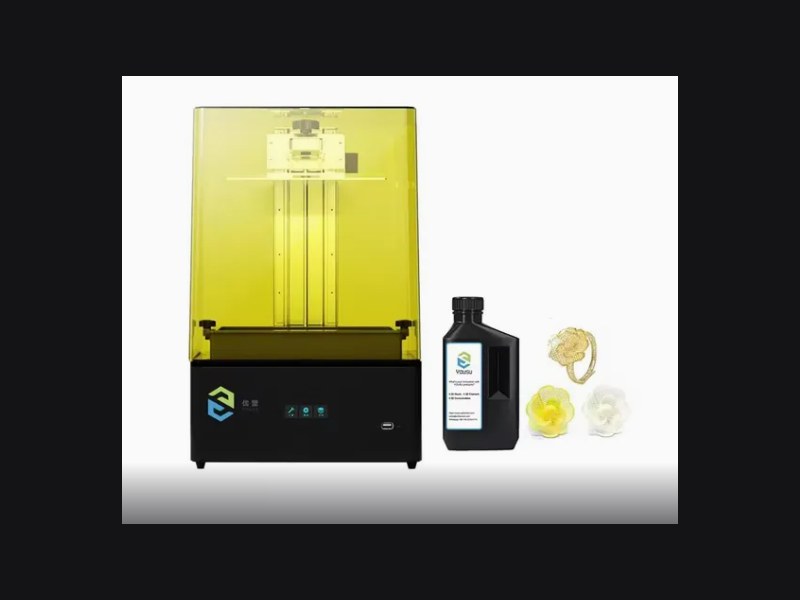
When a part needs to look injection-molded on day one — dental models, jewelry masters, consumer-product show models — resin wins outright. DLP in particular has moved fast: full-platform exposure means a build plate of small parts takes the same time as one part.
The hidden cost here isn't the machine — it's the workflow. Wash stations, UV cure chambers, resin storage, PPE, and a room that's easy to clean. We always ask resin buyers: do you have space and staff for the wet workflow? If the answer is hesitant, we steer them elsewhere.
SLS: where small-batch production actually makes sense
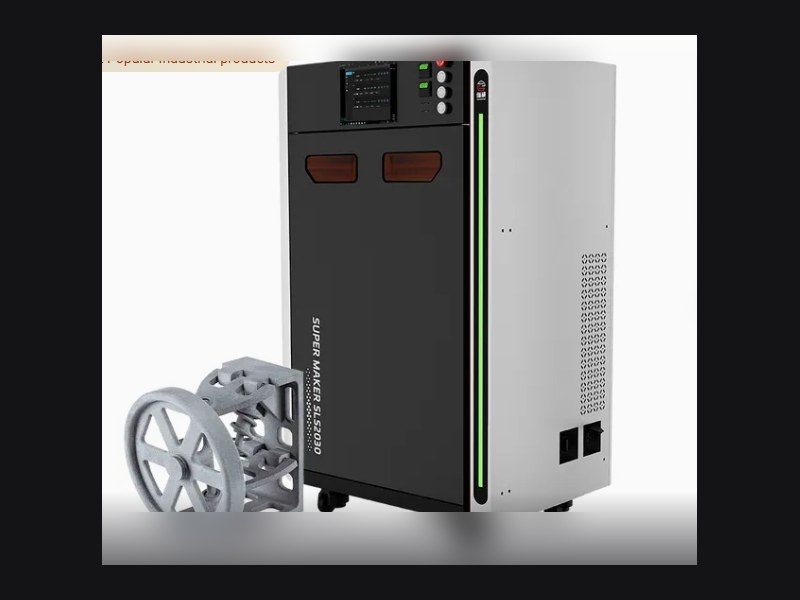
SLS nylon is the technology that quietly replaced injection molding for batches of 50–2,000 parts. No support structures, isotropic-ish strength, and parts that survive real mechanical duty. It's also where the total-cost conversation gets serious: powder refresh ratios, inert-gas or temperature control, and a blast/sieving station all add up. Budget the machine at 60% of the cell's real cost.
Metal: buy it for the part, not the technology
Metal LPBF machines are impressive, and that's exactly why people buy them for the wrong reasons. The business case is narrow but real: conformal cooling inserts, lattice structures, repair-and-add work, and parts where subtractive manufacturing is simply impossible or slow. If your parts can be machined economically, they should be machined. We say that to metal-curious buyers constantly, and it's saved more than one of them a six-figure mistake.
So how do you decide?
In practice it collapses to three questions:
- Function or appearance? Mechanical duty → FDM or SLS. Surface detail → resin.
- Prototype or end-use? One-offs → FDM/resin. Repeat batches of real parts → SLS, or skip printing and talk to us about tooling instead.
- Who runs it? Every technology has an operator skill curve. A dedicated technician makes a mid-range machine outperform an abandoned flagship.
Start with the smallest machine that honestly covers your use case, run it hard for six months, and let the second machine buy be informed by real print logs. That's the path we've watched work best, over and over.